
5 insights from the Heuvelman Inspiration Week
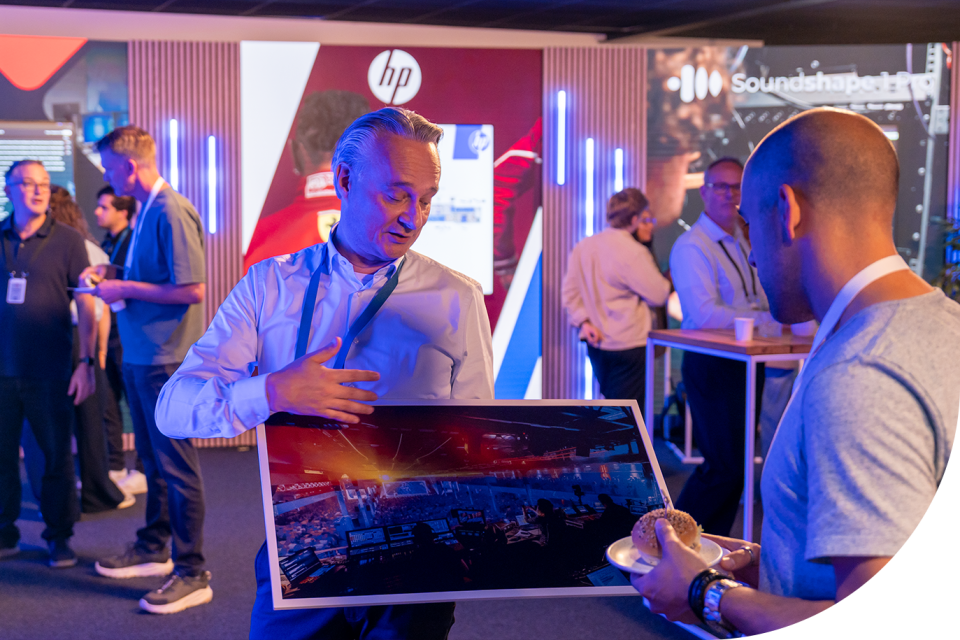
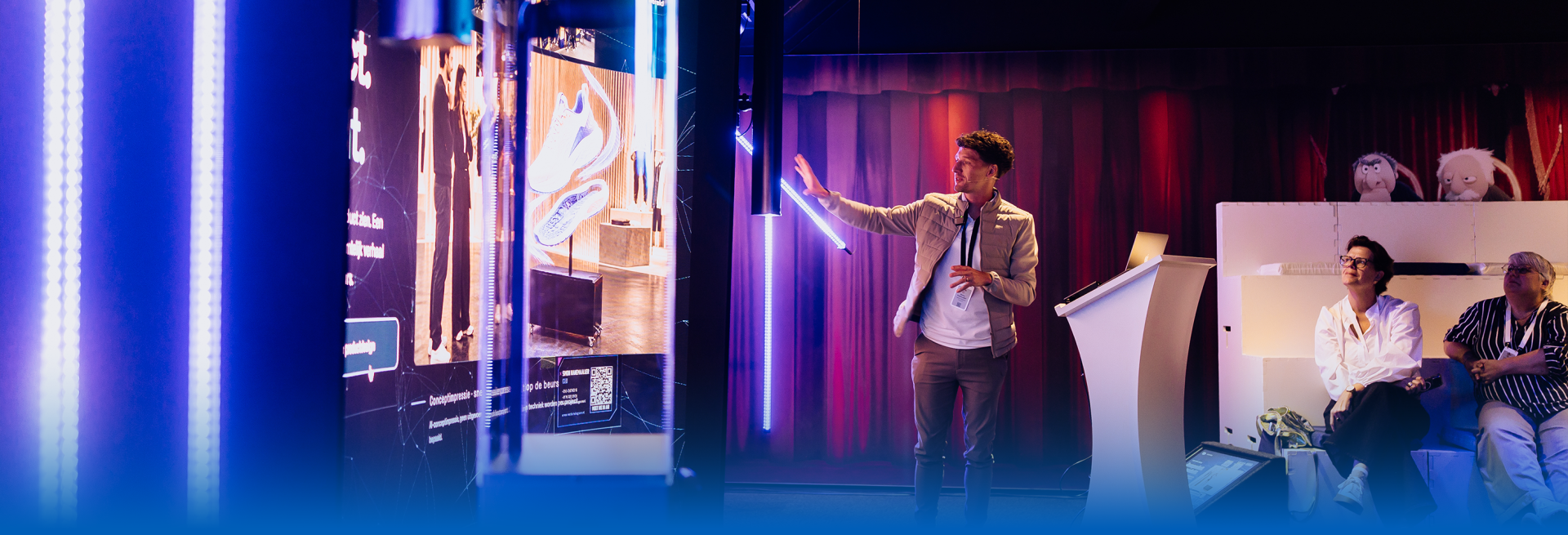
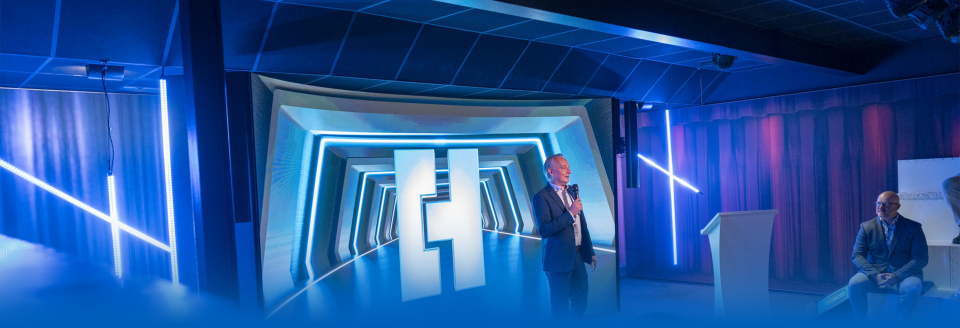
The Inspiration Week brought together a range of innovations and knowledge sessions. GoBright, Media Hologram, DynaScan and HP shared their perspectives on the development of workplaces, communication and audiovisual technology. Five insights stood out.
5 key insights
4 knowledge sessions
9 innovations
5 insights from the Heuvelman Inspiration Week
During Inspiration Week, From reacting to directing was the central theme. Different technologies were demonstrated in the innovation space and discussed during the knowledge sessions, but they repeatedly came back to the same question: how can technology help organisations work more intelligently, simply and deliberately?
These five insights capture that common thread.
1. Better information makes earlier action possible
Greater control starts with knowing what is happening.
Within an office environment, information about occupancy and the use of desks and meeting rooms can help organisations make better decisions. GoBright combines booking functionality with data on areas such as workplace usage and booking patterns. This allows workplace information to support more proactive decision-making rather than only showing what happened afterwards.
This directly connects with: From reacting to directing.
2. Technology should make work simpler
Innovation does not have to make a workplace more complicated.
One of the recurring ideas is that systems become more useful when different functions work together and users do not need a separate tool for every task. GoBright, for example, combines desk and room booking, visitor management and digital signage, with integrations including Teams and Outlook. HP also focuses its Poly portfolio on collaboration across different workplaces, meeting environments and platforms.
The technology behind the experience may be extensive, but using it should remain straightforward.
3. An effective environment starts with the user
A smart workplace only works when people can use it comfortably.
Technology therefore needs to fit everyday activities: finding a room, reserving a desk, joining a hybrid meeting or accessing information without requiring technical knowledge.
GoBright focuses on intuitive booking and integrated workplace functions, while HP Poly provides solutions designed around different work styles, platforms and workspace types.
Technology is not the starting point. The application and the user are.
4. Innovation often comes from combining technologies differently
Many of the innovations shown during Inspiration Week were interesting precisely because different technologies came together.
With Media Hologram holographic presentation can be combined with AI, allowing a holographic host not only to be seen but also to answer questions and provide information.
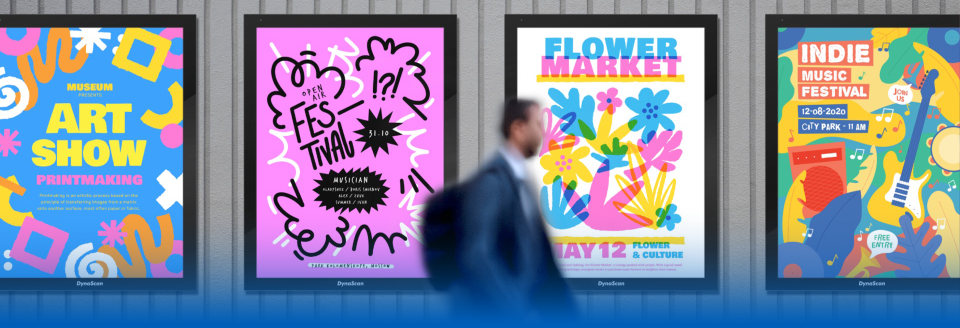
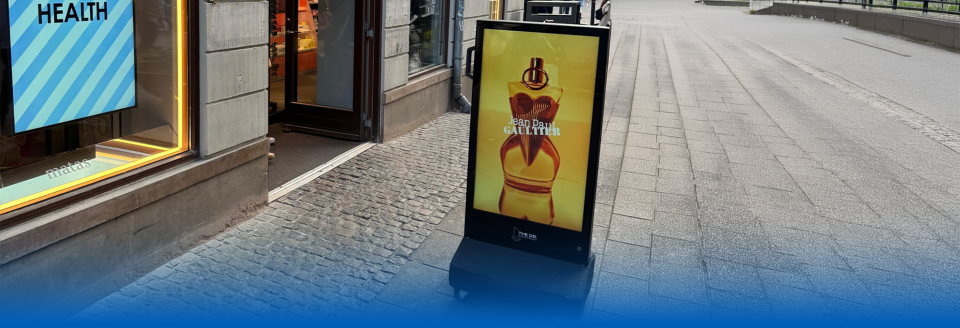
DynaScan ePaper shows another direction: digital information displays that consume power primarily when their content is updated.
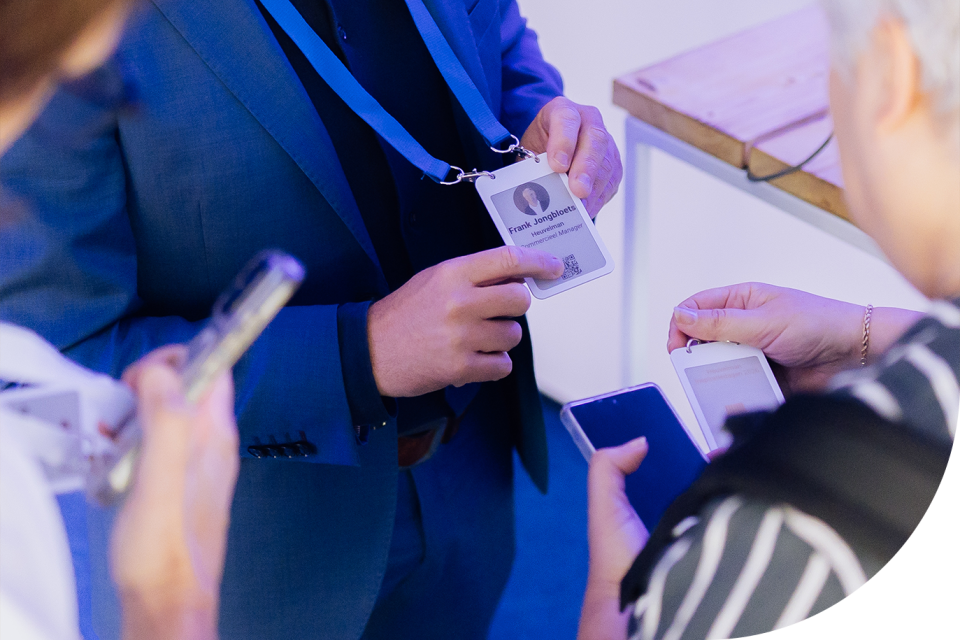
Other innovations from the week, including the E-badge and DS One Plus, also showed that different communication touchpoints can require different solutions.
5. Control comes from connecting people, processes and technology
Perhaps that is the most important conclusion from the week.
A smart display, booking platform, hologram or meeting solution never operates completely on its own. The greatest value emerges when technology connects with users, information and processes.
That may mean using workplace data to support decisions, digital signage to make information visible at the right moment or combining technologies into one coherent environment.
Greater control is therefore not simply about adding new technology. It is about making different solutions work together effectively.
Continue the conversation about audiovisual innovation
Inspiration Week demonstrated how quickly AV, information provision and the smart workplace continue to develop.
We help organisations explore which developments are relevant to their environment and how different audiovisual solutions can be connected in a practical way.
Contact us to continue the conversation or schedule an advisory meeting.
View other references


Let's get in touch
Want to know how we can take your business to the next level? Then get in touch!
Heuvelman stands for:
- Innovative tailor-made audiovisual total solutions
- Reliable and sustainable services
- Experienced and skilled team with a focus on high quality
- Personal support from start to finish
- Flexible in planning and execution
- ISO 27001 certified for rental and sales projects