


Refurbishment
A full replacement is not always necessary. With refurbishment, we keep existing installations reliable for longer by repairing, replacing, or upgrading individual components. This reduces downtime, helps control costs, and supports sustainability by limiting waste and transport.
Lower replacement costs
Less downtime
Sustainable management
What does refurbishment mean in AV?
In this context, refurbishment is mainly about modular maintenance and renewal. Many AV systems consist of multiple components. By designing (or maintaining) an installation so that parts can be replaced individually, the entire system does not need to be removed when one component fails or becomes outdated.
Replacing is not always necessary
• Cost-efficient: a completely new device or system is not always required; the most efficient route is often component-based.
• Sustainable: throwing equipment away is a waste; where possible, parts that can still last for years remain in use.
• Extended lifespan: some parts wear out or fail; refurbishment keeps the installation usable for longer.
• Modular components: because systems consist of multiple parts, replacing only the defective component can be sufficient.
Why refurbishment matters for organizations
Less downtime and predictable continuity
When an installation supports daily communication (meetings, education, digital signage), recovery time matters. Component-level repair or replacement can be faster and more predictable than full replacement, especially when the installation is modular.
Lower environmental impact through fewer full replacements
Reducing full replacements lowers waste streams and reduces the impact of production and logistics. Refurbishment is therefore a practical way to deliver CSR within technical installations.
Better control of lifecycle management
Refurbishment fits into lifecycle thinking: decisions are made based on reliability, risk, availability, and future readiness. This creates a scalable management strategy that can evolve with changing usage.
The approach in practice
Diagnosis and impact assessment
We identify which component has failed, the impact on usage, and the required recovery speed (for example, in critical rooms or during peak periods).
Component-based solution
Where possible, we repair, replace, or upgrade one or several components so the overall system remains intact. This is often the most logical route for cost, continuity, and sustainability.
Repair where it is responsible
When repair is technically and economically viable, this is used as a sustainable option.
Testing, validation, and documentation
After replacement or repair, we test functionality and stability so the installation remains demonstrably reliable. Where relevant, settings and configurations are revalidated to ensure consistent day-to-day use.
CSR: from ambition to concrete choices
Refurbishment makes CSR tangible in technology: fewer replacements, more reuse, and longer installation lifespans. In addition, reducing external logistics (for example by organizing repairs closer to operations) can help reduce transport movements and lower footprint.
Quality and assurance
Refurbishment requires process discipline: what is replaced, what stays, and how is reliability ensured? Within this approach, refurbishment projects align with the organization’s quality and sustainability principles.
Where refurbishment often adds value
Refurbishment is most effective in environments where installations are heavily used and continuity is critical, such as:
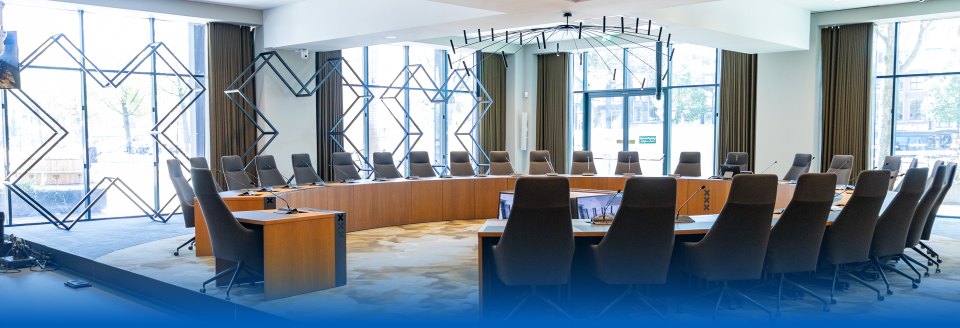
• Meeting and collaboration spaces with fixed displays, audio, and conferencing
• Education environments with large-scale AV rollouts
• Government and public-facing locations where reliability and management are crucial
• Multi-site organizations with similar rooms and a need for standardization
Advice on refurbishment
Refurbishment works best when component replacement, repair, and renewal are part of a broader management and lifecycle approach. We advise on a working method that fits the environment, continuity requirements, and CSR objectives.
Contact us to schedule an advisory meeting about refurbishment.

View other references





Let's get in touch
Want to know how we can take your business to the next level? Then get in touch!
Heuvelman stands for:
- Innovative tailor-made audiovisual total solutions
- Reliable and sustainable services
- Experienced and skilled team with a focus on high quality
- Personal support from start to finish
- Flexible in planning and execution
- ISO 27001 certified for rental and sales projects