


Narrowcasting
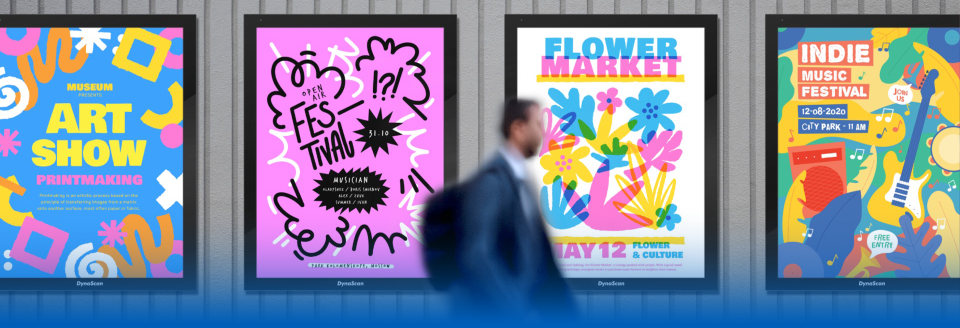
Looking to inform, inspire, and welcome visitors or colleagues in a creative way? Then narrowcasting/digital signage is the solution! With this, you can display presentations, photos, videos, and information such as live widgets with current news, weather, and traffic via modern screens. Social media and livestreams are also possible.
Easy to manage - Create content and easily schedule it to be displayed on the various screens within your location.
Signage - Narrowcasting can also be perfectly used for wayfinding within your location.
Various links - Various integrations can be made with existing systems, such as an RSS feed or intranet environment.
What is narrowcasting?
Narrowcasting is a way to display information and content on one or multiple screens, tailored to a specific target group and location. Think of screens at entrances, reception areas, waiting rooms, corridors, canteens or meeting zones. The strength lies in delivering relevant communication at the right moment—without manual posters or one-off updates.
What is narrowcasting used for?
Narrowcasting can support multiple objectives within organisations and locations:
-
Informing: opening hours, house rules, schedules, internal messages
-
Welcoming and guiding: reception information, routing, announcements
-
Inspiring: projects, milestones, campaigns, storytelling and atmosphere
-
Showing up-to-date information: news, weather, traffic and other live information (via widgets)
-
Enriching content: social media, videos or livestreams as part of the communication mix
Why organisations choose narrowcasting
Narrowcasting is increasingly adopted because it combines flexibility with consistency. With strong content and a recognisable visual identity, communication gains a professional look while remaining easy to manage.
Key benefits:
-
Fast updates: content can be adjusted easily, without printwork or logistics
-
Scheduling: content can be planned by time, date and screen group (who sees what, when)
-
Consistency: brand styling and fixed formats ensure recognisable communication
-
Attention: animations and video attract more attention than static media
Content: the difference between “a screen” and communication
Hanging a screen is one step; effective narrowcasting requires content that fits the goal, the moment and the place. In practice, a set of fixed content blocks often works best, for example:
-
A welcome or opening slide (always on)
-
Current updates (news, traffic, internal alerts)
-
Planning or agenda (for example per floor or zone)
-
Campaigns / activities (temporary, with a clear timeframe)
-
Visuals and atmosphere (video/photo, matched to the location)
When formats and templates align with the brand identity, a consistent look and feel is created that remains recognisable across all screens.
Management and control
Narrowcasting is most effective when management is organised simply. Think of:
-
Central management of content and templates
-
Publishing per screen or screen group
-
Scheduling by time and date (e.g., office hours vs evenings)
-
Roles and permissions (who can change what)
This keeps communication up to date without making management dependent on one person or ad-hoc actions.
Why Heuvelman
Heuvelman supports the setup of a narrowcasting environment that remains workable in day-to-day practice. This means: structuring templates and screen groups logically, keeping publishing simple, and enabling teams to change content themselves without losing quality or consistency. Where needed, support remains available for management, continuity and further development.
Screens and placement
Screen placement determines what “works”. Typical factors include:
-
Sightlines and viewing distance
-
Ambient light and readability
-
Walking routes (short viewing time calls for short messages)
-
Safety and mounting (public vs internal zones)
Based on these factors, the right screen size and positioning are selected so content is actually seen and understood.
Advice on narrowcasting
Narrowcasting is a practical way to make communication visible, current and professional. Heuvelman Sound & Vision supports the design of a narrowcasting solution that fits the communication goal, the location and the desired management approach.
Get in touch to schedule an advisory conversation about narrowcasting and digital signage.

View other references


Let's get in touch
Want to know how we can take your business to the next level? Then get in touch!
Heuvelman stands for:
- Innovative tailor-made audiovisual total solutions
- Reliable and sustainable services
- Experienced and skilled team with a focus on high quality
- Personal support from start to finish
- Flexible in planning and execution
- ISO 27001 certified for rental and sales projects